
Lumbar Facet / Impingement Syndrome

Understanding Lumbar Facet Syndrome & Impingement Syndrome & How Chiropractic Care May Help

Lumbar facet syndrome and lumbar facet impingement are common sources of lower back pain that are often overlooked or mistaken for disc-related problems. The facet joints — small paired joints located between each vertebra in the spine — play a vital role in guiding and limiting spinal movement. When these joints become inflamed, restricted, or irritated, they can generate significant localised pain and stiffness.

At Rise Chiropractic & Wellness in Albion, Brisbane, chiropractic assessment may help identify facet joint involvement and assess the spinal mechanics that may be contributing to your lower back pain.

What Are Facet Joints?

The lumbar spine has five vertebrae (L1–L5), each with two pairs of facet joints connecting it to the vertebra above and below. These joints are lined with cartilage and surrounded by a synovial capsule, similar to other joints in the body. They help stabilise the spine during movement while allowing controlled rotation, extension, and bending.

With repetitive stress, age-related wear, injury, or poor spinal mechanics, these joints can become irritated, inflamed, or restricted — a condition broadly referred to as lumbar facet syndrome or facet-mediated pain.

Common Symptoms of Lumbar Facet Syndrome

Facet joint problems typically produce a pattern of symptoms that can help distinguish them from disc-related issues:

  • Aching or stiffness in the lower back, typically worse in the morning or after prolonged rest
  • Pain that increases with backward bending (extension) or twisting
  • Lower back pain that eases slightly when leaning forward or sitting down
  • Localised tenderness over the lower spine on one or both sides
  • Pain that may refer into the buttocks or upper thighs (not typically as far as the knee or foot)
  • Difficulty standing for long periods
  • A feeling of stiffness or “locking” in the lower back

Unlike disc herniation, facet pain does not usually cause leg weakness, foot drop, or sensory changes below the knee — though it can co-exist with disc problems.

 How Chiropractic Care May Help

Chiropractic assessment may assist in identifying areas of the lumbar spine that appear restricted, and how movement patterns may be placing excess load on the facet joints. Where appropriate, chiropractic care may help support the restoration of normal spinal mechanics.

A chiropractor may also provide guidance on:

  • Movements and positions to minimise aggravation during recovery
  • Core stability exercises to reduce ongoing load on the facet joints
  • Postural habits and ergonomics that may reduce repetitive stress
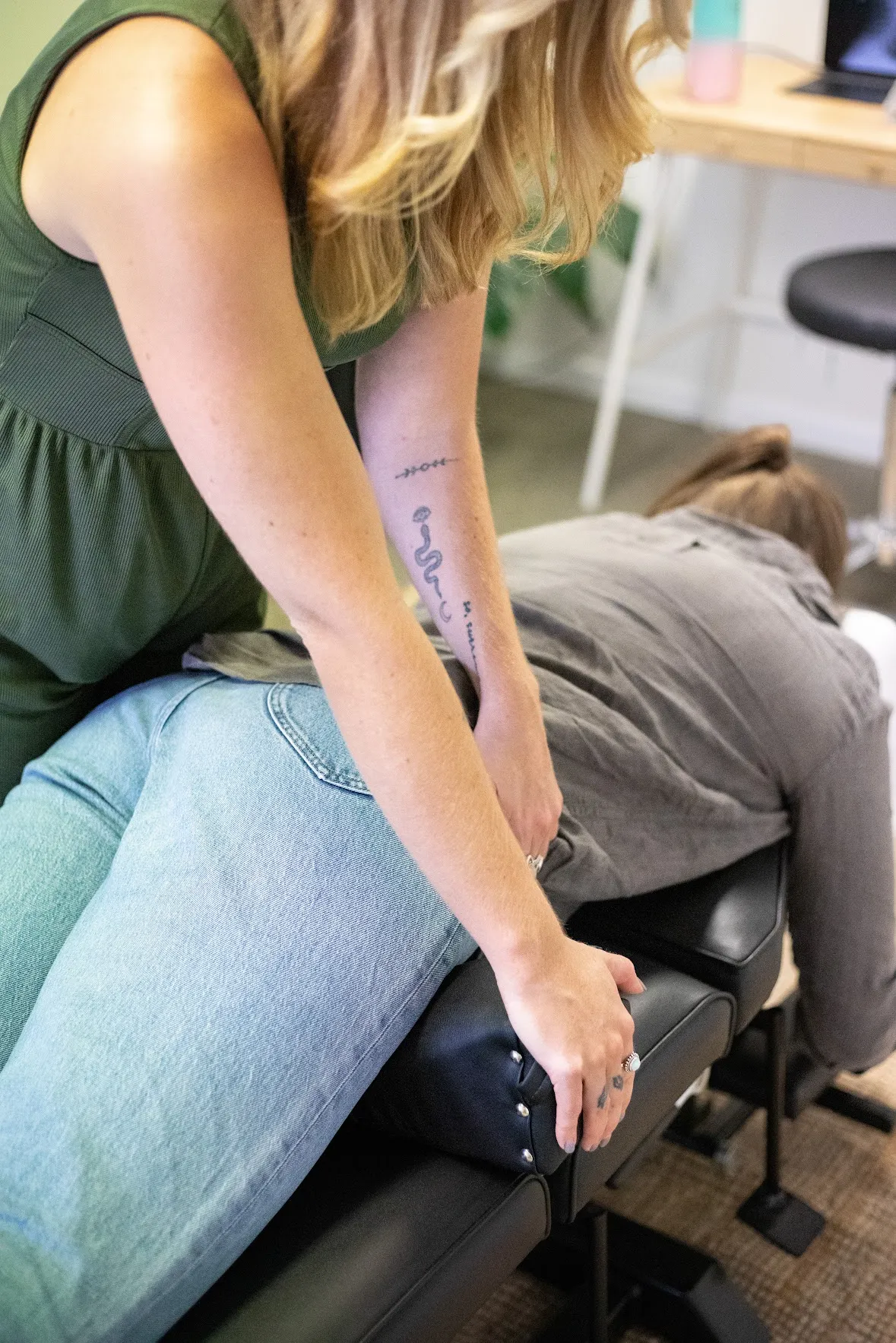
Dr Chelsea helping patient hip pain with blocks while they lay down

How Rise Chiropractic & Wellness May Help

At Rise Chiropractic & Wellness, we provide a holistic and natural approach to treating lumbar facet syndrome and impingement syndrome. By focusing on spinal alignment, soft tissue health, and muscle function, chiropractic care may relieve pain, restore mobility, and promote healing—without the need for invasive procedures or medication.

Here’s how we may help:

Comprehensive Spinal and Postural Assessment

We begin by carefully assessing your symptoms, posture, and spinal health. Through detailed testing and a thorough examination, we identify the specific joints, muscles, or nerves contributing to your pain. This assessment allows us to create a personalised treatment plan tailored to your unique needs.

Targeted Spinal Adjustments & Mobilisation

Chiropractic adjustments seek to reduce pressure on the lumbar facet joints and improve spinal alignment. By realigning the vertebrae, we may relieve the stress and inflammation on the affected joints, restoring healthy movement patterns and alleviating pain.

Soft Tissue Therapy & Muscle Support

In addition to adjustments, we may incorporate soft tissue therapy, stretching, and strengthening exercises to help address the muscles surrounding the lumbar spine. This is key to reducing muscle tension, improving flexibility, and supporting long-term recovery. Our goal is to provide you with the tools to prevent future flare-ups.

A Non-Invasive, Drug-Free Approach

Chiropractic care offers a natural, non-invasive alternative to managing lumbar facet syndrome and impingement syndrome. We focus on addressing the underlying causes of your pain rather than masking symptoms with medication, helping your body heal and function optimally.

When Should You Seek Help?

Please seek immediate medical attention if you experience:

  • Loss of bladder or bowel control
  • Numbness or tingling in the groin or inner thighs (saddle anaesthesia)
  • Progressive leg weakness or difficulty walking
  • Lower back pain following a significant trauma or fall
  • Unexplained weight loss, fever, or night pain combined with back pain

These symptoms may indicate a serious spinal or systemic condition requiring urgent medical review, which is outside the scope of chiropractic care.

Lumbar facet syndrome and impingement syndrome don’t have to keep you from living your best life. With the right chiropractic care, we seek to help you regain movement, reduce pain, and improve your overall well-being.

Let’s work together to support your lower back.  Book your appointment today