Many people choose to see a chiropractor for pain relief


Back pain is one of the most common reasons people seek chiropractic care—and for good reason. Whether it’s a dull ache, sharp discomfort, or ongoing stiffness, back pain c impact your energy, movement, sleep, and overall quality of life.
Back pain can arise from many different causes, including:

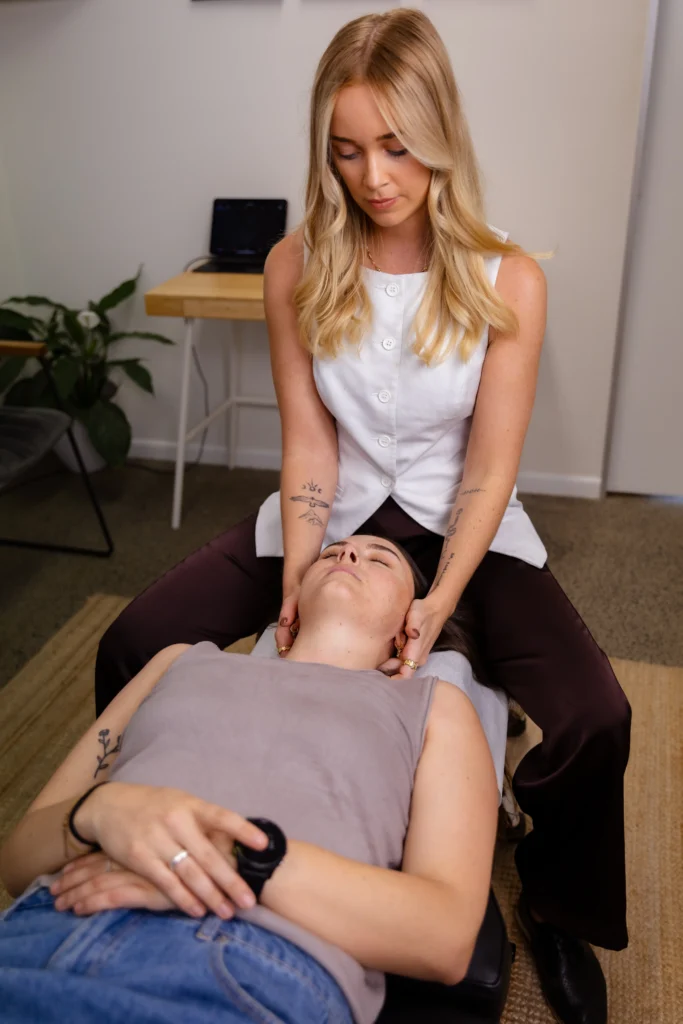
Neck pain is more than just a daily annoyance—it can affect your posture, focus, sleep, and even your mood. Whether it’s a stiff neck from sleeping in the wrong position or ongoing tension from stress or screen time, you’re not alone. Neck pain is one of the most common reasons people seek chiropractic care.
Common causes of neck pain include:
Headaches can be incredibly disruptive—not just physically, but mentally and emotionally too. Whether they come on occasionally or are a regular part of your week, they can drain your energy, affect your mood, and make it hard to be present in daily life.
What many people don’t realise is that headaches often stem from tension, misalignment, or irritation in the spine—especially the neck. That’s where chiropractic care may make a big difference.
Common causes of headaches include:
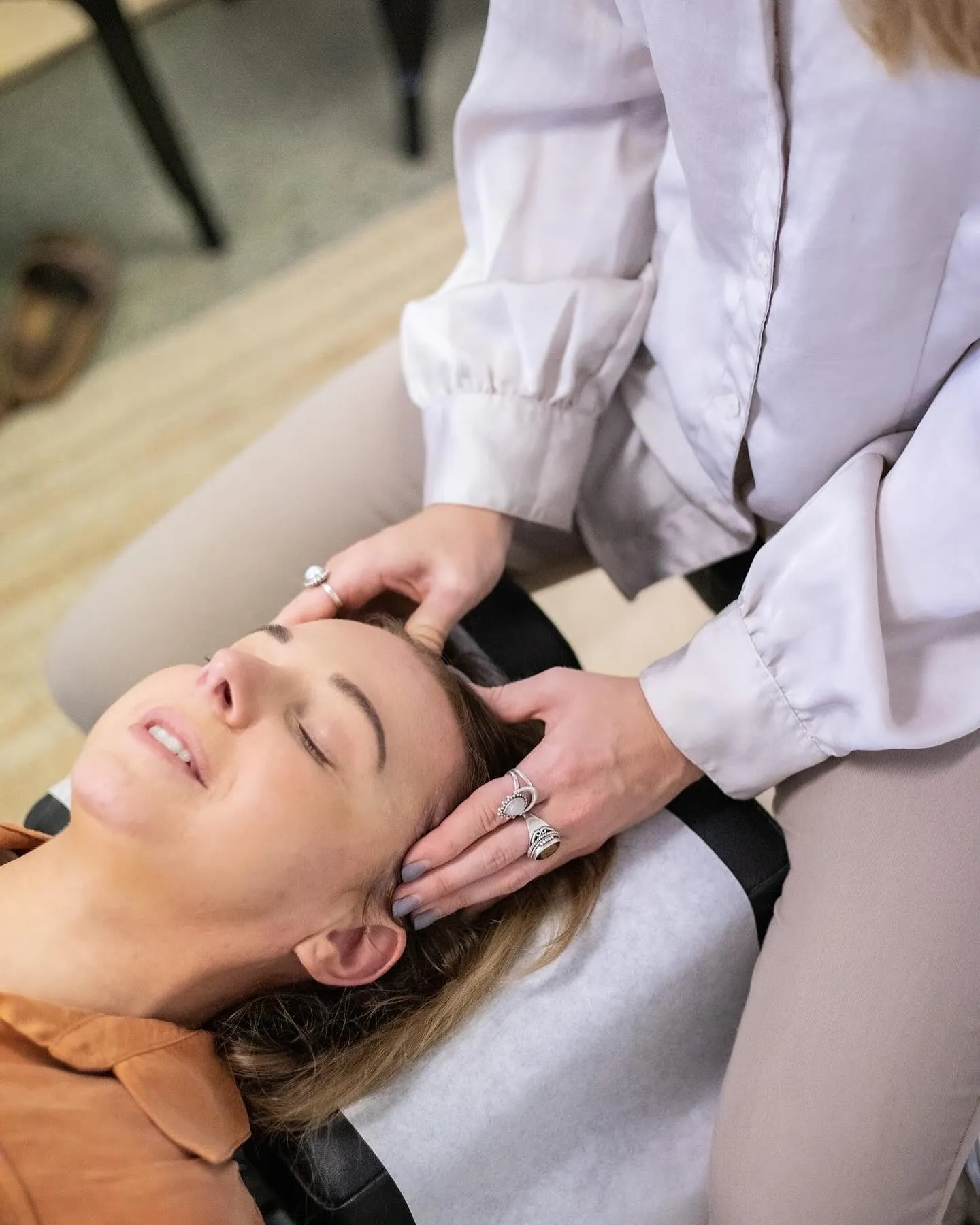
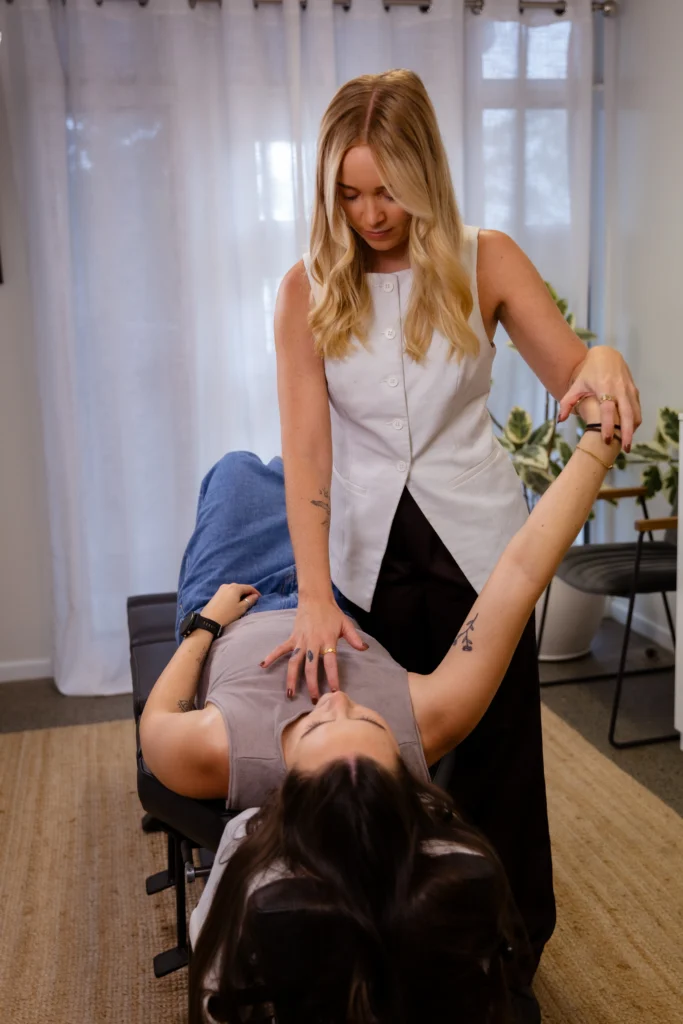
Vertigo and dizziness can be incredibly unsettling, leaving you feeling unsteady, disoriented, or as though the world is spinning around you. These sensations can impact everything from your daily activities to your confidence in moving and maintaining balance. While vertigo can sometimes be caused by an inner ear issue, it’s also closely linked to spinal misalignments and dysfunctions, especially in the cervical spine (neck area).
Chiropractic care offers a natural approach to addressing the root causes of vertigo and dizziness, which may help to restore balance and stability to your body.
Common causes of vertigo and dizziness include:
Sciatica is a common condition that causes pain, tingling, or numbness that radiates down the leg, often from the lower back or buttocks. It occurs when the sciatic nerve, the longest nerve in the body, becomes irritated or compressed. This can result in pain that ranges from mild discomfort to severe, debilitating pain.
Sciatica isn’t a condition in itself but rather a symptom of an underlying issue, such as a herniated disc, spinal misalignment, or muscle tension. Chiropractic care may be highly effective in addressing the root causes of sciatica and providing lasting relief.
Common causes of sciatica include:
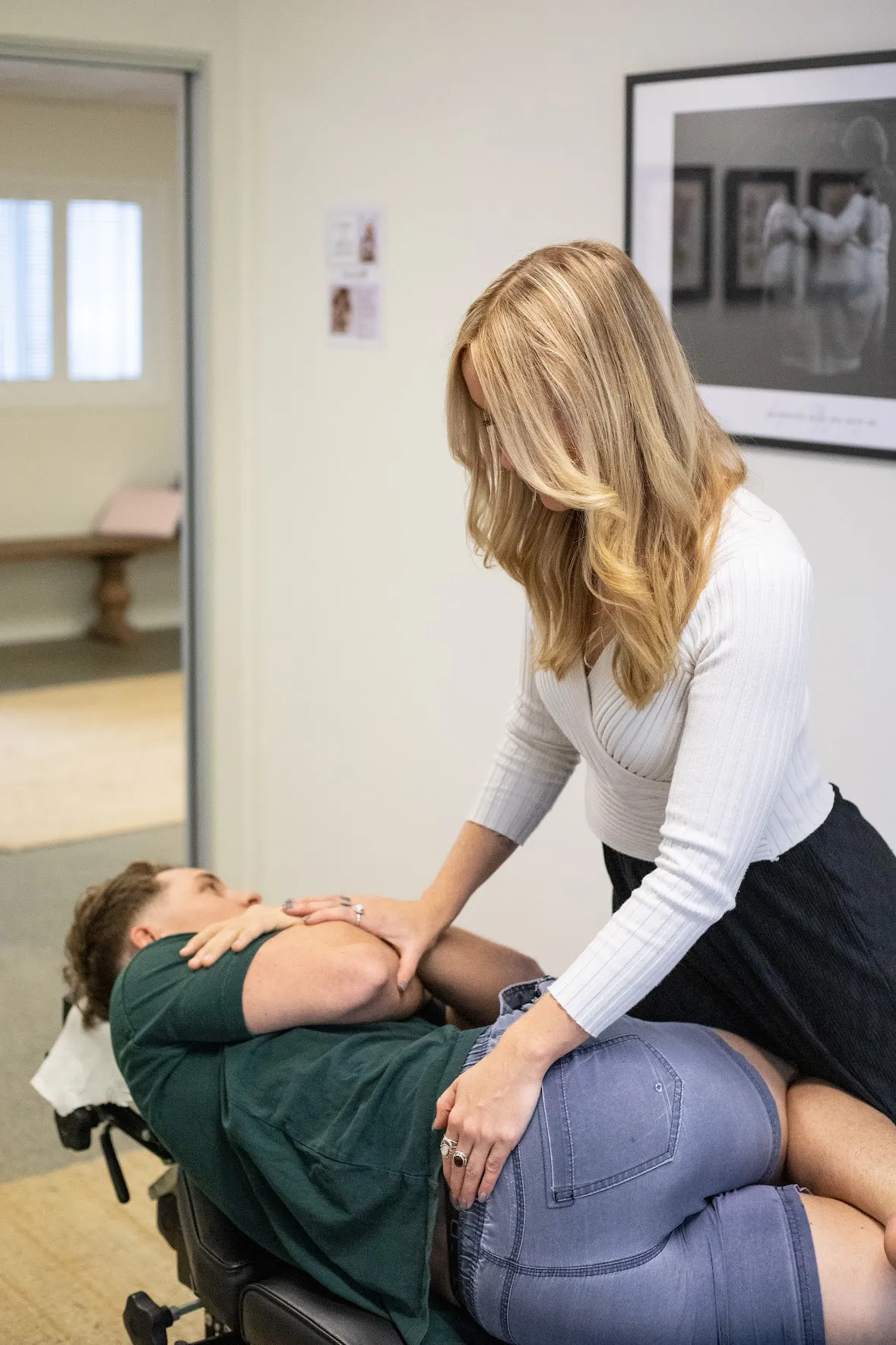

Jaw pain or TMJ dysfunction can cause discomfort and frustration that affects not only your ability to chew, speak, and swallow but also your overall quality of life. The temporomandibular joint (TMJ) connects your jawbone to your skull, and when it’s not functioning properly, it can lead to pain, stiffness, and difficulty with daily activities.
TMJ dysfunction can be caused by a variety of factors, including misalignments in the jaw or neck, muscle imbalances, stress, teeth grinding, or past injuries. Chiropractic care may help alleviate pain, improve function, and restore balance to the area, bringing relief to those dealing with jaw-related discomfort.
Common causes of jaw pain and TMJ dysfunction include:
Postural issues are more common than many people realise, and they can have a significant impact on your overall health. Poor posture can lead to discomfort, pain, and a range of other health concerns, from headaches to digestive issues. Whether you’re dealing with slouching, rounded shoulders, or forward head posture, it’s important to address the root cause to avoid long-term complications.
Postural issues often arise from habits such as sitting for long periods, looking down at screens, or improper ergonomics at work. Over time, these habits can lead to muscle imbalances, spinal misalignments, and tension in key areas of your body.
Common causes of postural issues include:


A disc bulge or disc herniation is a serious but treatable condition that can cause significant pain, numbness, and weakness. The spine is made up of vertebrae (bones) with discs in between that act as shock absorbers. When a disc becomes damaged or slips out of place, it can irritate nearby nerves, causing discomfort or even radiating pain down the arms or legs.
Disc bulges occur when the disc pushes outward but remains intact, while a disc herniation occurs when the disc’s outer layer tears, allowing the inner gel-like substance to leak out. Both can cause intense pain, limited mobility, and affect your daily life.
Common causes of disc bulge and herniation include:
Lumbar facet syndrome and impingement syndrome are common causes of lower back pain, often leading to discomfort and reduced mobility. The lumbar facet joints are the small joints located between the vertebrae in the lower back, and they play a vital role in spinal movement. When these joints become inflamed or restricted, it can cause sharp pain, stiffness, and difficulty with everyday activities.
Impingement syndrome occurs when soft tissues, such as tendons or muscles, are pinched or compressed, often due to misalignments or dysfunction in the spine or surrounding structures. Both conditions can lead to ongoing pain and hinder movement.
Common causes of lumbar facet syndrome and impingement syndrome include:

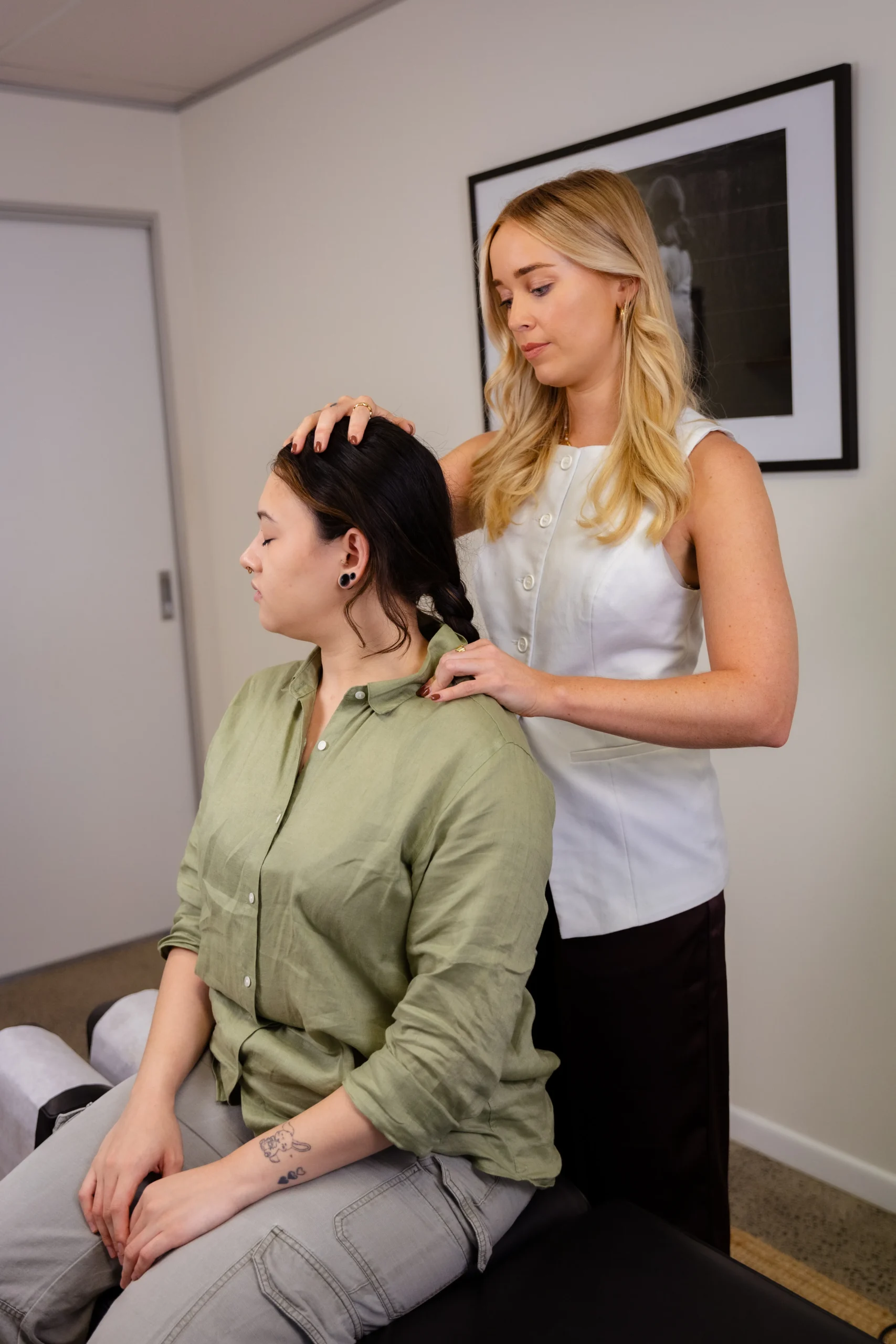
Shoulder pain is a common complaint that can significantly affect your range of motion and quality of life. Whether it’s a dull ache, sharp pain, or stiffness, shoulder discomfort can make it difficult to carry out everyday activities, such as reaching, lifting, or even sleeping comfortably.
The shoulder is a complex joint with multiple muscles, tendons, and ligaments that allow for a wide range of motion. However, because of its mobility and complexity, the shoulder is also susceptible to injury, strain, or misalignment, leading to pain and discomfort. Common causes of shoulder pain include muscle imbalances, poor posture, injury, or repetitive movement.
Common causes of shoulder pain include: