Applied Kinesiology
Applied Kinesiology at Rise Chiropractic & Wellness
What Is Applied Kinesiology?
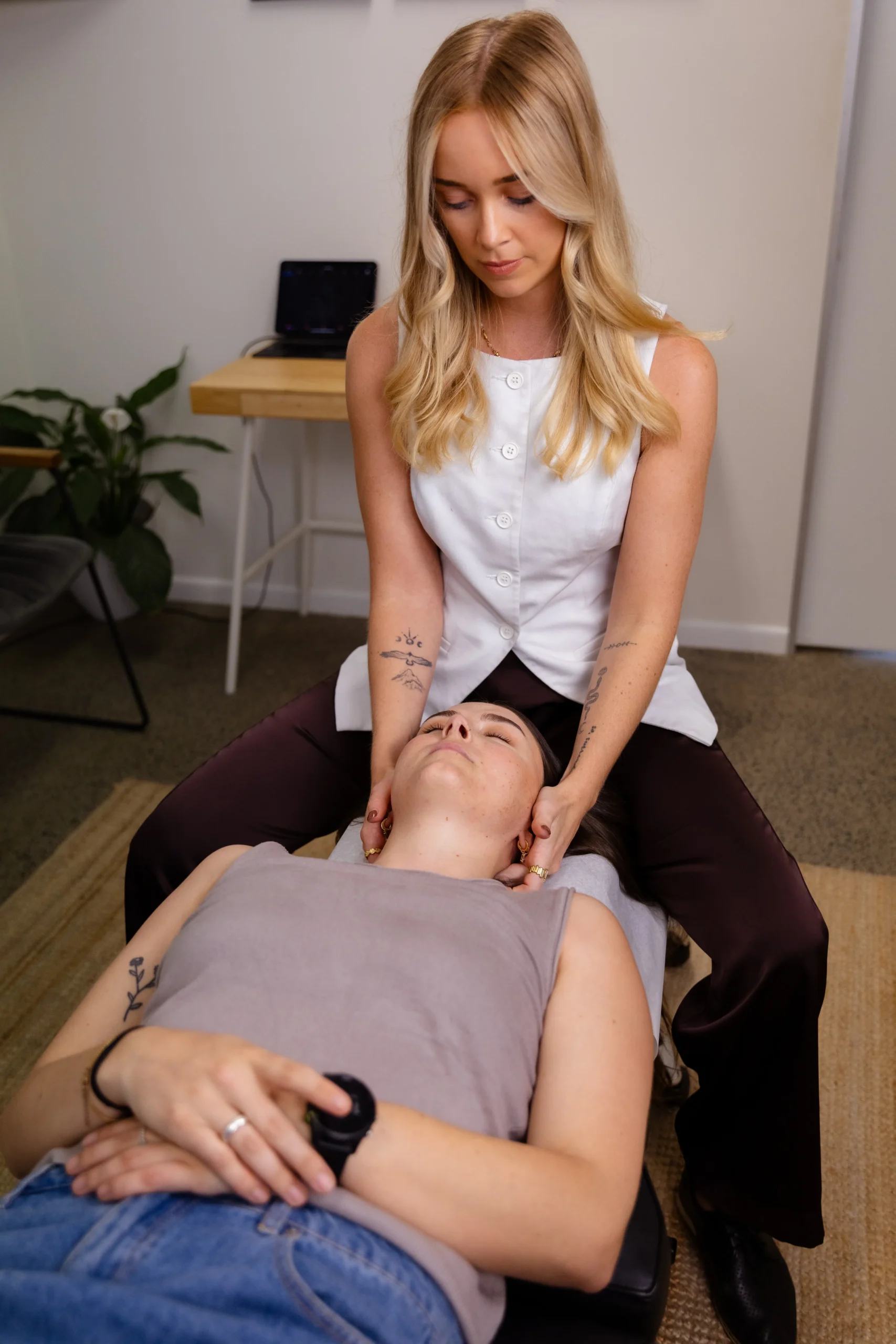
Applied kinesiology was developed in the 1960s and is based on the idea that the strength or response of specific muscles can provide information about the function of related organs, glands, and structural systems. Practitioners use manual muscle testing alongside standard clinical assessment tools — including history taking, physical examination, and laboratory testing where appropriate — to build a more complete picture of a patient’s health. AK is not a diagnostic tool in the conventional medical sense, and practitioners trained in AK use it as one component of assessment rather than a standalone test. Results are interpreted alongside other clinical findings.What May Applied Kinesiology Help With?
Applied kinesiology assessment may be incorporated into care for a range of concerns, including:- Musculoskeletal complaints such as back pain, neck pain, and joint discomfort
- Postural imbalances and movement dysfunction
- Fatigue and low energy that may have a nutritional or structural component
- Digestive discomfort and food sensitivity assessment (in conjunction with appropriate medical referral)
- Hormonal health challenges, where structural or nutritional factors may be contributing
- Stress responses and nervous system regulation
- Sports performance and injury rehabilitation support
The Three-Sided Triangle of Health
Applied kinesiology practitioners often work with what is called the “triad of health” — a model that considers three interconnected components of wellbeing:- Structural — the musculoskeletal system, including joints, muscles, and the spine
- Chemical — nutrition, hormones, digestion, and biochemistry
- Mental/Emotional — stress, mindset, and emotional wellbeing
What to Expect During an Applied Kinesiology Assessment
During an AK-informed assessment, your chiropractor will take a thorough health history and may perform standard orthopaedic and neurological tests alongside manual muscle testing. You will remain fully clothed throughout. The assessment is gentle and non-invasive. Based on the findings, your practitioner will discuss what was observed, explain any recommendations, and outline a proposed care plan. You are always free to ask questions and to take time to consider your options.Is Applied Kinesiology Evidence-Based?
Applied kinesiology remains an area of ongoing research and professional discussion. Some components have supporting evidence, while others require further study. Our practitioners use AK as one tool within a broader, clinically informed framework — not as a replacement for conventional assessment or medical care. We are committed to transparency about what AK can and cannot tell us, and we encourage patients to ask questions about any aspect of their care.When to Seek Immediate Medical Attention
Please seek immediate medical attention if you experience:- Unexplained significant weight loss, night sweats, or persistent fatigue
- Severe or rapidly worsening pain that is not responding to care
- Chest pain, difficulty breathing, or heart palpitations
- Neurological symptoms such as sudden weakness, numbness, or slurred speech
- Loss of bladder or bowel control (seek emergency care immediately)
- Symptoms that suggest a serious underlying medical condition
What Is Applied Kinesiology?
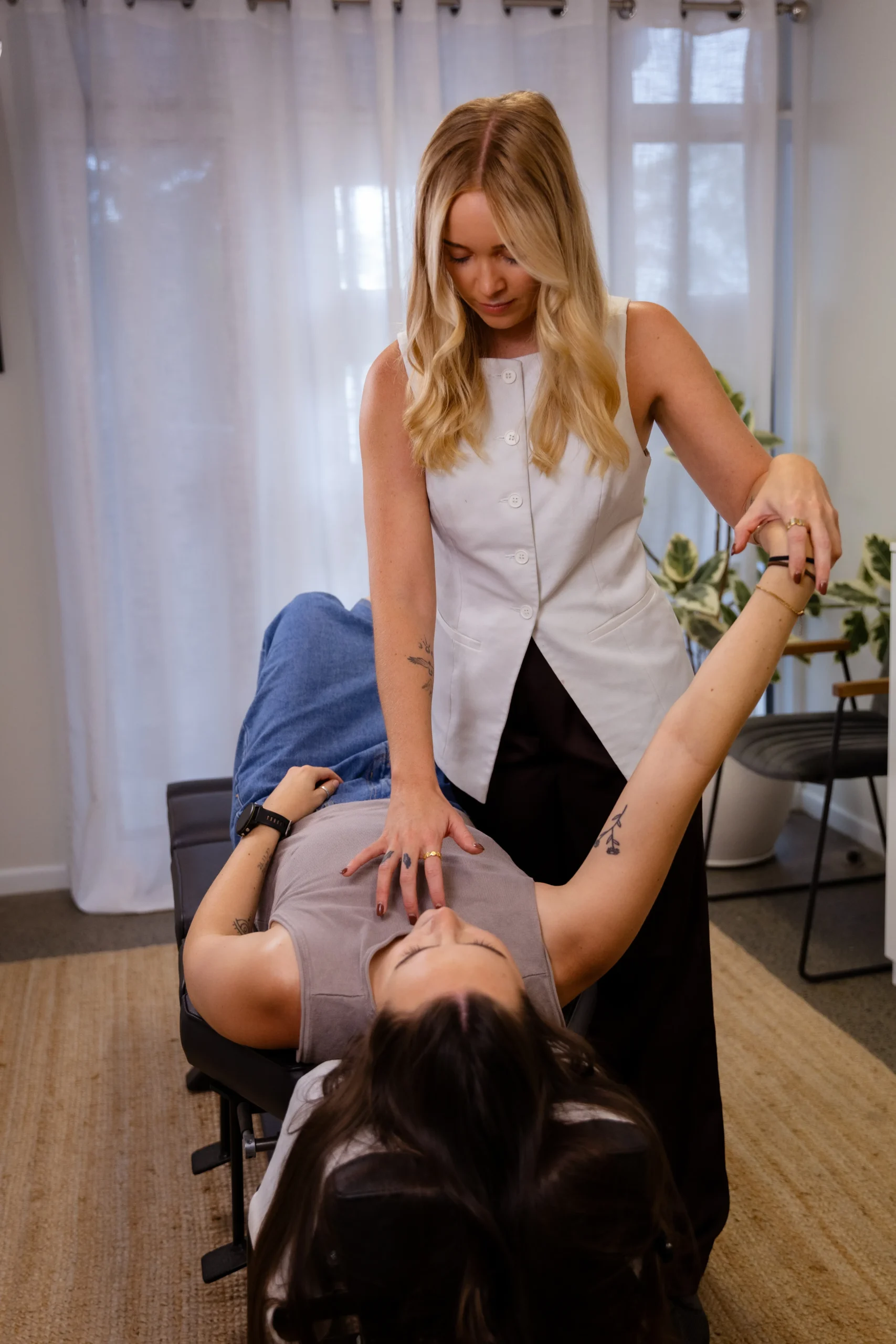
Applied Kinesiology is a natural therapy that uses muscle testing to tap into your body’s innate intelligence. By gently testing how your muscles respond to different stimuli or stressors, we can gather information about what areas of the body may be under stress—and what it needs to heal and function optimally.
It may help identify imbalances related to:

Physical pain & tension

Emotional stress & anxiety

Digestive & harmonal issues

Fatigue & low energy

Learning & behavioral challeneges

Nutritional sensitivity

Sleep disturbance
And much more

Meet Dr. Chelsea – Chiropractor & Applied Kinesiology Practitioner
Applied Kinesiology at our clinic is offered by Dr. Chelsea, a qualified chiropractor with a special interest in holistic healing and mind-body connection. With her gentle, compassionate approach, Dr. Chelsea combines her chiropractic care with applied kinesiology techniques to help uncover the root causes of your symptoms and support your healing journey.
Whether you’re experiencing stress, physical discomfort, emotional blocks, or simply want to support your overall wellbeing, Dr. Chelsea offers a safe space for healing, insight, and alignment.
If you would like to book in with Dr. Chelsea, please click the button below or call our reception on 07 3262 3000.
Have Any Questions For Our Team?